


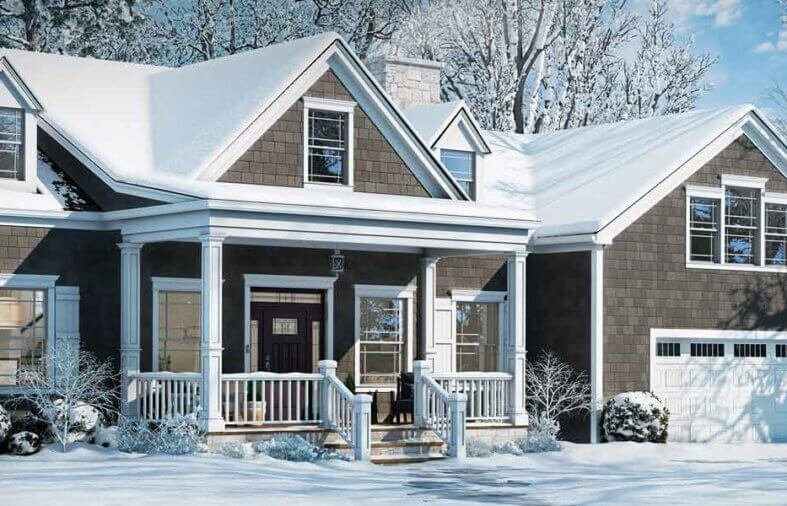
As the seasons shift, property owners may find that they are feeling more anxious about the changing weather that will affect their home. For example, problems such as rising bills, dampness and safety during dark nights are all valid concerns. Preparing for winter is not just about putting the heating on, but it is a holistic approach to physical maintenance, occupant safety and (for business owners) organisational resilience. To check if a property is ready for colder weather, there are four areas that you should check: structural integrity, internal efficiency, security and administrative preparedness.
Sealing the Envelope
During the winter months in the UK, properties can face two challenges: the fast loss of internal heat and the drop in natural daylight. However, window glazing can act as the ‘skin’ of a home, protecting the internal climate and boosting occupant wellbeing. Even though vertical windows are important, a roof window is more exposed to the elements as it faces direct rain, snow accumulation and wind. This means that it can be a primary candidate for ‘cold bridging’, or a place where cold material can provide a way for heat to escape, especially if the seals or flashings are damaged.
You can test for any air leaks around windows by using a candle or incense stick around the window frame. Slowly move the incense stick or candle around the frame of the window, and the flame will flicker or the smoke will blow in a different direction anywhere where there is a draught. Additionally, any external water channels or flashings around windows should be cleared, as this will ensure that snowmelt is able to flow away from the aperture instead of sitting and freezing. The coldest days of the year are actually the best to conduct a thermal walkthrough. Feel for cold spots or check for misting between window panes to see exactly where your property is leaking money or heat. Being proactive in this way allows for targeted repairs that will pay for themselves through energy savings before the winter season is even over.
Flow and Foundation
When water stops moving, it can become a structural threat. The path that water takes from your roof to the soil is critical, as a blockage anywhere along this can lead to internal damp, subsided foundations or even burst pipes. Even though you may regularly clean your gutters, the point where the downpipe meets underground drainage is a common blind spot. Effective wastewater management is essential during this period; If silt and leaves have washed into underground pipes, any standing water will expand as it freezes, causing a frost heave. This process can split pipes between your driveway and garden, which can cause silent, long-term flooding.
Clogged gutters enable water to pool, and when this water freezes it can form an ice dam that prevents any future snowmelt from draining. The trapped water will then begin to back up underneath roof tiles or into fascia boards, causing timber to rot and the ceiling to leak. As part of preparing for winter, check that any pipe visible in unheated spaces is insulated with foam lagging, and ensure that every occupant of the house knows where the internal stopcock is if a pipe ever does burst. A professional gutter vacuum or DIY flush of drains does not cost much, especially when compared to the insurance excess and repair costs of damp remediation after a winter flood.
Protecting Your Sanctuary
When the sun sets earlier, your property can potentially be cloaked in darkness for up to 16 hours a day. Darkness can help to hide movement and allow intruders to test entry points without being spotted. Check the outdoor sensors around your home, and look to see if summer foliage has grown over camera lenses, as this can create blind spots in the dark.
Visible security is the strongest psychological barrier, as if a property looks hard to breach, opportunists are likely to move on to another target instead. Installing smart lighting around your home can help, but use ‘randomised presence’ settings if possible. This is because static timers are easy to spot, but smart bulbs that mimic human movement can create a more convincing illusion that a home is occupied. If you have a large driveway or are protecting a storefront, darkness can provide a window for ram-raiding and vehicle theft. Installing or servicing security bollards can provide an additional layer of protection. Telescopic or automatic bollards act as a highly visible deterrent, letting a criminal know that your property is hardened against more than just foot traffic.
The Human Element
If you are protecting a business property, you will need to be able to manage the logistics of this too. Ambiguity can be the enemy of efficiency, as when adverse weather hits your employees should not be left questioning if they are required to risk commuting. Establish clear rules around working from home, and consider if these need to account for local transport alerts, an office heating system failure to maintain a minimum temperature, or any local school closures for employees with children. If you manage a physical property, you should have a policy around safe access to the site. For example, ensure that the car park is safe to use by a certain time in the morning if it needs to be gritted.
The end of the fiscal or calendar year is the most high friction period for most finance departments, as you are balancing holiday pay, seasonal bonuses and sometimes a surge in temporary staff to handle seasonal demand. Manual spreadsheets can be a liability at a time like this, as a single data entry error can tank office morale. For companies managing remote or international workforces, this can be even more complex. Utilising a robust global payroll system is essential to ensure compliance with varying international tax laws, and to guarantee that staff are paid accurately and on time. Having a centralised system can prevent any administrative freezes caused by office closures or regional weather disruptions.
Overall, winter preparation is an investment, not a chore. By remembering to check every important aspect of your home, you will create a winter-proof environment. By having a warm, secure and well-managed property, you will be able to have a stress-free winter and spring.